
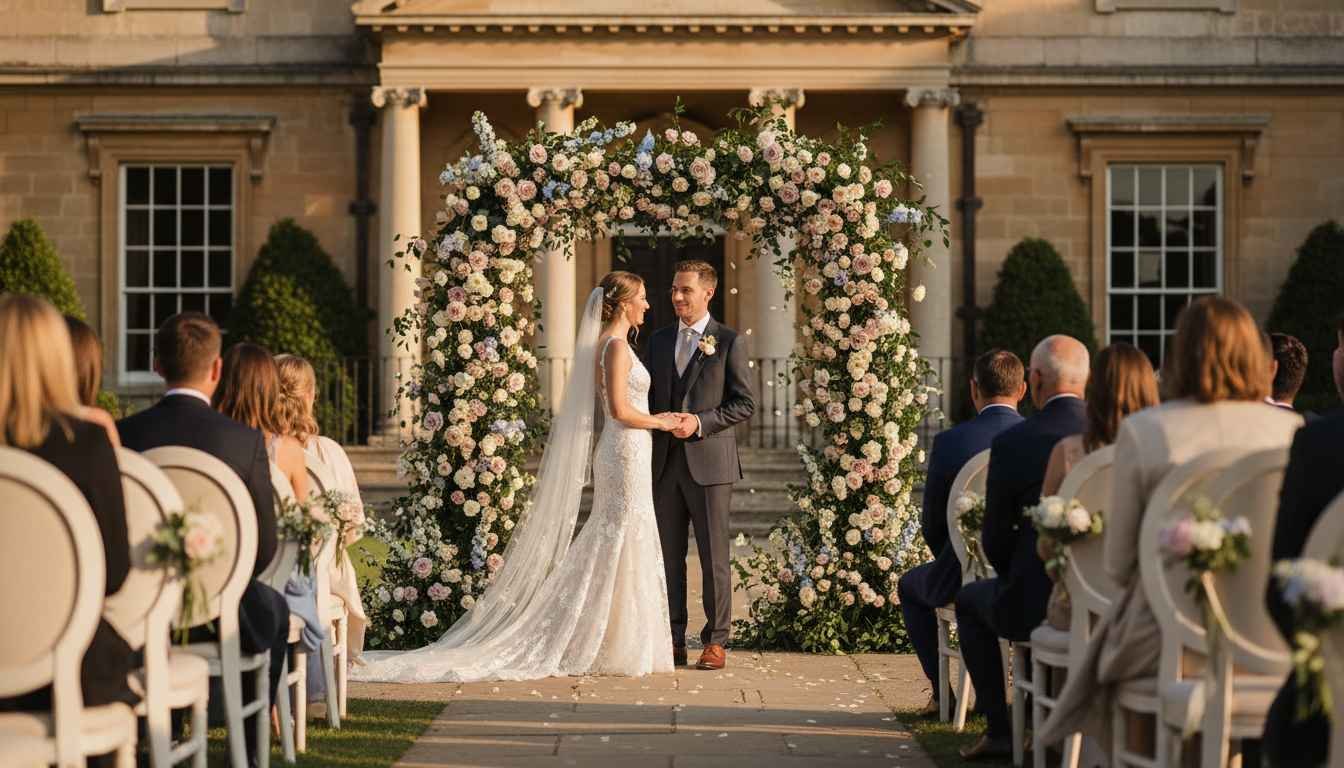
Money never sleeps. In the world of wedding photography, capturing the elegance of a Hampton Court House wedding demands more than just a camera – it requires a vision that blends artistry, precision, and cutting-edge technology. The estate’s historic architecture, lush gardens, and regal interiors present photographers with a playground of light, texture, and depth, making every frame an opportunity to craft timeless memories. But how does one choose the perfect photographic approach to honor both the grandeur of the venue and the intimacy of the couple’s day?
Hampton Court House offers photographers a canvas that oscillates between classical opulence and contemporary chic. From sweeping staircases to candlelit halls, every corner tells a story. For professional photographers and videographers, this is an invitation to explore advanced techniques: drone cinematography, cinematic lens choices, and high-dynamic-range imaging are no longer optional – they are expected. Understanding how different methods interact with the venue’s aesthetics can dramatically influence the final wedding album.
Before delving deeper, it’s important to recognize the ecosystem of tools that elevate a photographer’s craft. Accessories such as camera tripods, lens filters, and stabilizers are essential for achieving that flawless cinematic feel. Kentfaith provides a comprehensive range of these essentials, catering to both budget-conscious amateurs and high-end professionals seeking the latest tech in photography and videography gear.
Traditional Photography vs. Cinematic Storytelling
Traditional wedding photography prioritizes posed elegance and meticulous attention to composition. Photographers rely heavily on prime lenses, classic portrait lighting, and structured shots. In the context of Hampton Court House, this approach works well for formal group photos, bridal party portraits, and capturing architectural grandeur in static frames. Its strength lies in preserving timeless aesthetics, but it can sometimes feel restrained or predictable.
On the other hand, cinematic storytelling embraces motion, atmosphere, and narrative. Techniques like slow-motion videography, drone flyovers, and environmental lighting immerse viewers in the experience rather than just presenting them with images. For instance, capturing the bride descending the grand staircase with natural light streaming through stained glass windows can transform a simple shot into a story of anticipation and elegance. Cinematic methods often require more advanced gear and post-production workflows but result in dynamic and emotionally resonant memories.
Lighting Techniques: Natural vs. Artificial
Lighting defines mood. Hampton Court House’s architecture allows natural light to play a starring role. Large sash windows, reflective surfaces, and garden expanses provide photographers with soft, diffused illumination. Natural light enhances authenticity and highlights subtle details, from the delicate lace on a wedding dress to the intricate carvings on antique furniture.
Artificial lighting, however, offers unparalleled control. Flash systems, LED panels, and color gels allow photographers to manipulate shadows, add dramatic emphasis, and create unique compositions. For evening receptions or moody indoor portraits, artificial lighting ensures consistency regardless of external conditions. Some photographers blend both approaches, using natural light to preserve realism while augmenting key moments with artificial sources for cinematic flair.
High-End vs. Budget-Friendly Approaches
High-end photographers often bring a full suite of equipment: mirrorless cameras with full-frame sensors, gimbal stabilizers, drone kits, and specialized lenses. This setup maximizes creative flexibility and ensures the highest resolution, allowing for large-scale prints and immersive videos. Packages can include multi-day coverage, pre-wedding shoots, and advanced post-production techniques like color grading and digital retouching.
Budget-conscious couples have alternative options without sacrificing quality. Mirrorless APS-C cameras, compact drones, and portable lighting kits can produce stunning results when paired with experienced photographers. Smart use of natural light and creative compositions can compensate for smaller equipment inventories. Additionally, emerging AI-powered tools streamline post-processing, reducing the time and cost associated with professional-grade edits.
Who Should Avoid This?
While Hampton Court House offers unparalleled photographic opportunities, it may not suit everyone. Couples seeking highly casual or rustic weddings might find the formal elegance of the venue restrictive. Additionally, photographers who prefer uncontrolled, natural environments may struggle with the venue’s structured interiors and strict access rules. High-end cinematic approaches may also be overkill for micro-weddings with minimal guest counts, where the investment might outweigh perceived value.
Alternative Options for Different Needs
For those who prioritize affordability without compromising aesthetics, local studios offering selective coverage or hybrid photography-videography packages are viable. Some photographers specialize in destination-style shoots, leveraging the grandeur of Hampton Court House for brief but impactful sessions rather than full-day coverage. This approach allows couples to access the prestige of the venue while maintaining a smaller budget.
For technology enthusiasts, renting advanced equipment like 360-degree cameras, gimbals, or specialty lenses can offer a futuristic edge without permanent investment. Coupled with creative planning, these tools allow couples to capture cinematic sequences that rival professional studios, blending innovation with practicality.
The Role of Post-Production
Post-production defines the final narrative. Traditional editing focuses on exposure correction, color balance, and retouching imperfections. Cinematic editing, however, treats the footage as a storytelling medium, integrating mood, pacing, and emotional arcs. Drone sequences, slow-motion captures, and selective focus effects transform raw footage into a polished narrative.
Emerging AI-powered tools further augment post-production capabilities, enabling faster color grading, automated facial recognition for sorting images, and advanced background replacement without manual masking. This future-oriented approach ensures that couples receive an immersive experience while photographers streamline workflows and maintain quality standards.
Comparing Approaches: Key Considerations
When choosing between traditional, cinematic, or hybrid approaches for Hampton Court House wedding photography, consider:
- Couple’s Vision: Are they seeking timeless portraits, dynamic storytelling, or a blend?
- Budget: Does the investment align with desired equipment and post-production needs?
- Venue Interaction: Are you maximizing architectural features or prioritizing candid moments?
- Time Constraints: Full-day coverage versus selective moments can influence the choice of approach.
- Future Proofing: Will the photos and videos stand the test of time both technically and stylistically?
Final Thoughts
Hampton Court House wedding photography sits at the intersection of art, technology, and storytelling. By comparing traditional and cinematic methods, evaluating equipment needs, and considering budgetary constraints, couples and photographers alike can craft an approach that honors the venue’s elegance while delivering unforgettable memories. Future-forward techniques, combined with timeless compositional principles, ensure that each wedding captured at Hampton Court House remains both relevant and remarkable for generations to come.
Summary
Hampton Court House offers a unique blend of historic elegance and modern photographic potential. Traditional photography emphasizes timeless poses and architectural grandeur, while cinematic storytelling introduces motion, narrative, and immersive experiences. Budget-conscious couples can still achieve high-quality results with selective coverage and smart use of technology. Advanced post-production and AI tools enhance both traditional and cinematic approaches. Ultimately, the choice depends on the couple’s vision, the photographer’s expertise, and the desired balance between artistry, technology, and cost.