
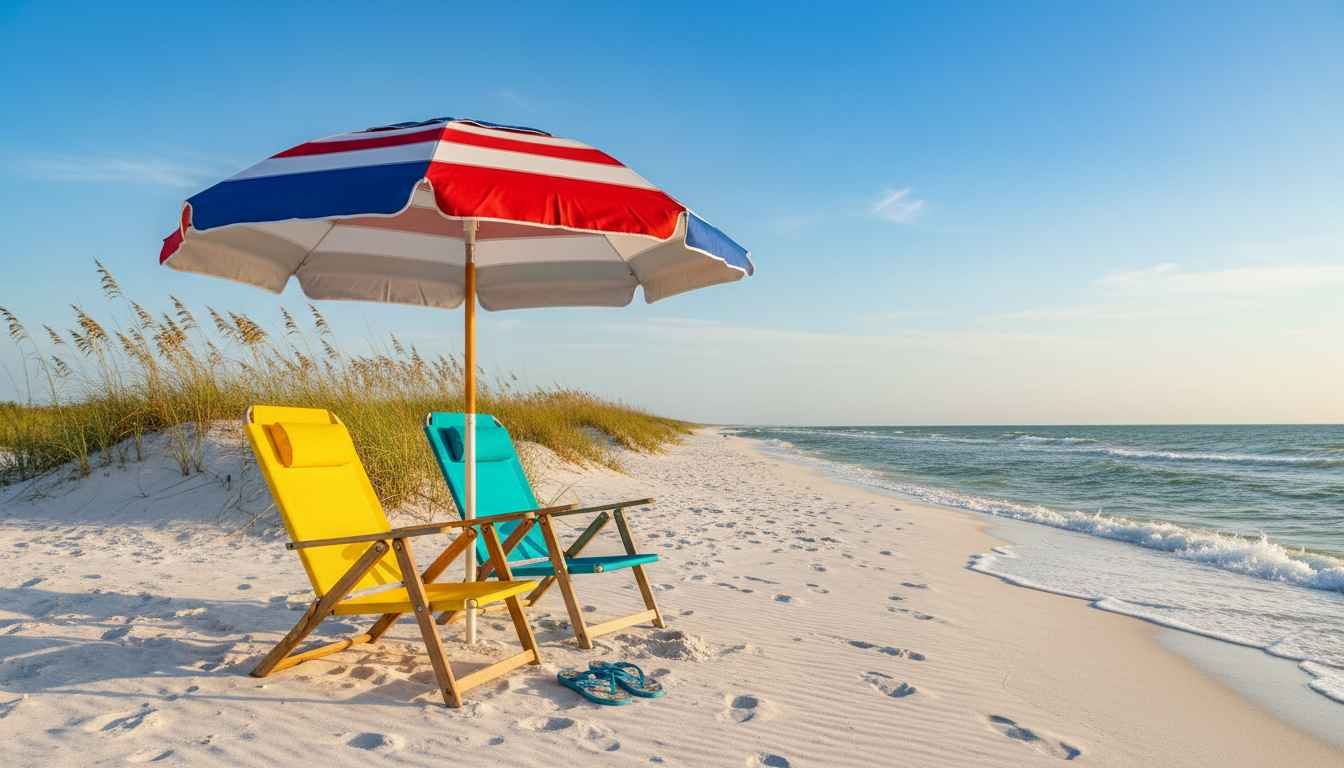
Florida’s west coast, facing the Gulf of Mexico, is the state’s calmer, softer side. The water is warmer and gentler than on the Atlantic coast, the sunsets are famous, and the pace slows as you move south from Tampa Bay toward the Everglades. The best places to visit on Florida’s west coast range from polished resort cities to barrier islands where the main activity is collecting shells. Here is how to choose your base.
Naples and Marco Island: Polished and Peaceful
Naples is the west coast’s most refined destination: manicured streets, high-end shopping on Fifth Avenue South, excellent restaurants, and a long pier that is perfect for sunset watching. Golfers are spoiled for choice, and the city’s beaches are wide, clean, and calm. Just south, Marco Island is quieter still, a residential island with wide beaches, dolphin-watching tours, and easy access to the Ten Thousand Islands, a maze of mangrove islets that is one of Florida’s great kayaking areas.
Naples and Marco Island suit travelers who want comfort without noise: couples, golfers, and anyone whose ideal day is a beach morning, a long lunch, and a sunset walk.
St. Petersburg and Clearwater: Culture Meets the Beach
St. Petersburg, known locally as St. Pete, is the west coast’s cultural capital. Its downtown waterfront holds the Dalí Museum, home to the largest collection of Salvador Dalí’s work outside Spain, plus the Museum of Fine Arts and a lively Saturday morning market. The city has a walkable downtown with breweries, murals, and rooftop bars, and its beaches, including St. Pete Beach, are a short drive away.
Clearwater, just north, is the family beach of the pair: wide white sand, a long beachwalk, boat tours to see dolphins, and the Clearwater Marine Aquarium. For more Florida family beach ideas, see our guide to places to visit in Miami, Florida with family. Together, St. Pete and Clearwater give you the best combination on the west coast of city culture and classic beach days.
Fort Myers and Sanibel Island: Shells, History, and Wildlife
Fort Myers is a friendly, affordable base with a historic downtown river district and a famous pair of winter homes: the Edison and Ford Winter Estates, where Thomas Edison and Henry Ford spent their winters, are open as museums with gardens and a small museum of inventions. From Fort Myers, a causeway leads to Sanibel Island, one of the most distinctive beach destinations in Florida.
Sanibel is famous for shelling: its east-west orientation means the Gulf deposits shells along its beaches in unusual quantity, and the morning ritual here is the “Sanibel stoop,” bending to collect them. The island is also home to the J.N. “Ding” Darling National Wildlife Refuge, where boardwalks and a wildlife drive offer close views of herons, egrets, roseate spoonbills, and alligators. Sanibel caps development, so it stays low-rise and quiet, a deliberate contrast to busier Florida beaches.
Sarasota, Venice, and Bradenton: Small Towns with Character
Between Tampa Bay and Fort Myers, a string of smaller towns offers a more local version of the west coast. Sarasota has the Ringling Museum of Art, built around the circus magnate’s art collection and a beautiful bayfront estate, plus Siesta Key, a barrier island whose powdery quartz sand is regularly ranked among the best beaches in the country. Venice, further south, is a walkable town with a historic downtown, a fishing pier, and its own claim to fame: fossilized shark teeth wash up on its beaches, and hunting for them is a popular pastime. Bradenton and nearby Anna Maria Island offer old-Florida charm, with low-key beach cottages and a slow pace.
These towns are ideal if you want to avoid the biggest crowds while still having good restaurants, nature preserves, and beaches within easy reach.
Practical Tips for the Florida West Coast
The best months are generally late fall through spring, when humidity drops and temperatures are warm but comfortable. Summer is hotter and wetter, with afternoon thunderstorms, but it brings lower prices and warm Gulf water. If you plan to compare coasts, our guide to the best places to visit on the East Coast in summer covers the Atlantic side. On the west coast itself, a car is close to essential: the region’s highlights are spread along more than 200 miles of coastline, and public transport between towns is limited.
FAQ
Which Florida west coast beach is best for families?
Clearwater Beach is the classic family pick, with wide sand, lifeguards, and plenty of nearby attractions. Siesta Key near Sarasota is a quieter alternative with exceptionally soft sand.
When is the best time to visit Florida’s west coast?
Late fall through spring offers the most comfortable weather. Winter is mild and popular, so book early, while summer is hotter and more humid but cheaper and less crowded.
Is Florida’s west coast better than the east coast?
It depends on what you want. The west coast has calmer Gulf water, better sunsets, and a slower pace. The east coast has bigger surf, larger cities like Miami, and more nightlife. Many visitors end up loving both for different reasons.
Final Thoughts
Florida’s west coast rewards travelers who like their holidays gentle: warm Gulf water, long sunsets, wildlife refuges, and towns where the best plan is often no plan at all. Base yourself in Naples for polish, St. Petersburg for culture, Sanibel for nature, or Sarasota for a small-town feel, and you will see why so many visitors come back to this coast year after year.