
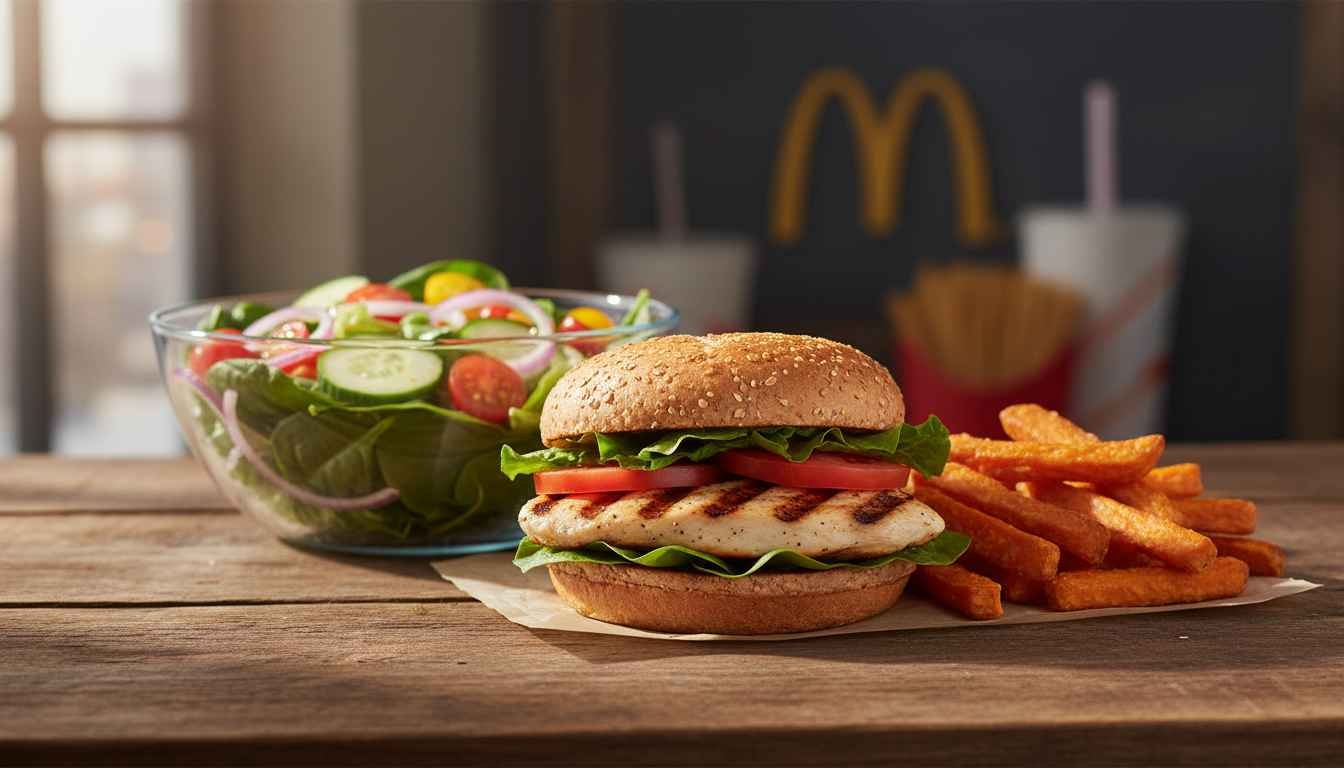
Have you ever felt like eating fast food always derails your macros? The idea that quick bites automatically equal empty calories is a common misconception. With careful planning, you can enjoy meals that satisfy cravings while staying aligned with your fitness goals. Macro tracking doesn’t have to mean a life of boiled chicken and bland salads.
Fast food chains are starting to respond to the rising demand for health-conscious options. From protein-packed bowls to customized sandwiches, the options are more versatile than ever. Knowing what to pick – and what to avoid – can make a huge difference in how your body responds.
For those looking to combine convenience with nutrition, Hummus Fit offers meal options that balance macronutrients perfectly. Their dishes are fresh, flavorful, and prepped to help you hit your protein, carb, and fat goals without spending hours in the kitchen.
Visual Macro-Tracking Guide
Think of fast food meals as a color-coded plate. Red items are high-calorie, low-nutrition, and best consumed sparingly. Yellow items are moderate – good for energy but track portion sizes. Green items are macro-friendly choices that align with protein and fiber targets while keeping fats and sugar in check.
Green Choices: Grilled chicken sandwiches, turkey burgers, protein bowls, veggie wraps, and side salads with vinaigrette dressings.
Yellow Choices: Oven-baked fries, whole grain buns, smaller portions of pasta, and moderate cheese servings.
Red Choices: Deep-fried items, sugar-heavy sauces, soft drinks, and desserts.
Pro Tip: Swap sauces and dressings for lighter alternatives or mustard to cut unnecessary fats and sugars. Every small substitution counts toward a balanced macro profile.
Top Macro Friendly Fast Food Options
1. Grilled Protein Bowls: Opt for a base of quinoa or brown rice, add lean protein like grilled chicken or turkey, and pile on vegetables. Minimal sauces keep macros in check.
Cooking has always been more than just a means of sustenance; it serves as a bridge between generations, cultures, and traditions. As we navigate the complexities of modern culinary practices, it’s easy to overlook the rich history and significance embedded in ancient recipes. This blog post, titled “Food Recipes from the Bible: An Open Letter to the Modern Cook,” invites contemporary chefs to explore the culinary treasures found within sacred texts. By delving into these age-old traditions, we can rediscover flavors that have nourished communities for centuries. For those eager to embark on this delicious journey, you can find a variety of food recipes from the bible that inspire and enrich our modern kitchens.
2. Customizable Sandwiches: Many chains allow you to choose whole grain bread, lean meats, and extra veggies. Skip the cheese or mayo to save calories and fat.
3. Salad Power Combos: A salad with grilled protein, nuts, seeds, and a light vinaigrette offers a high-protein, high-fiber meal that satisfies hunger without exceeding calorie goals.
4. Breakfast Protein Options: Egg white sandwiches, Greek yogurt parfaits, and oatmeal with nuts provide a balanced start for your day without derailing macros.
5. Snackable Proteins: Some fast food chains offer protein boxes or snack packs with nuts, cheese, and hard-boiled eggs – perfect for when you need a quick hit without bingeing on empty calories.
Potential Drawbacks
While many fast food options can fit into a macro-focused diet, they’re not perfect. Sodium levels can be high, portion sizes may trick your calculations, and hidden sugars in sauces or dressings can inflate carb counts. Not every “healthy” menu item aligns with strict macro goals, so vigilance is required.
Who Should Avoid This? People with hypertension, insulin sensitivity, or those who require precise macro tracking for bodybuilding may need to limit fast food intake despite modifications. Even the best options can introduce small inconsistencies that affect results.
Plan, Track, and Enjoy
Macro friendly fast food is about calculated choices rather than complete restriction. Track your meals, opt for lean proteins, load up on fiber-rich vegetables, and be mindful of sauces and dressings. With the right strategy, eating out doesn’t mean compromising your health or goals.
It’s important to admit there’s still much I don’t know – fast food chains constantly update menus, and nutritional data isn’t always perfectly transparent. Personal experimentation and tracking remain essential for anyone serious about macros.
By visualizing your meal components, substituting wisely, and monitoring portions, you can enjoy the convenience of fast food while staying on track with your macro goals. Consistency and planning, not perfection, are the keys.