
Luang Prabang, Laos, is the kind of town that slows you down in the best way. Golden temple roofs rise above quiet streets, monks walk the dawn streets collecting alms, and the Mekong slides past at the edge of town. A UNESCO World Heritage site since 1995, it blends French colonial architecture, Buddhist tradition and mountain scenery into one of Southeast Asia’s most rewarding small cities. Visitors looking for places to visit in Luang Prabang, Laos, will find ancient temples, waterfalls, markets and river journeys — all within easy reach of a walkable old town.
Key Attractions in Luang Prabang
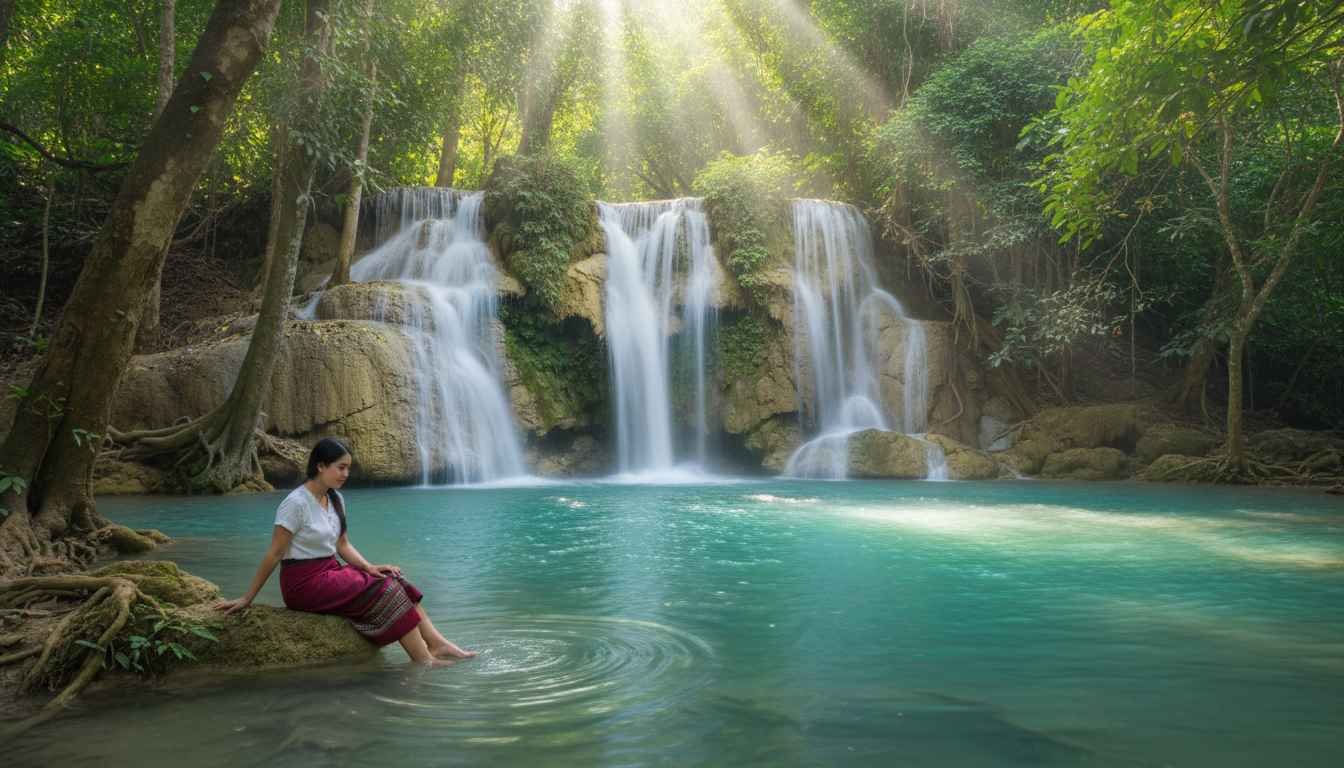
When it comes to the top places to visit in Luang Prabang, the city’s key attractions blend both historical and natural wonders. Wat Xieng Thong, the “Temple of the Golden City,” is the most beautiful of the old town’s temples, with sweeping low roofs and intricate gold stencilling. Nearby, Wat Mai and the Royal Palace Museum — the former royal residence, now a museum of Lao history and royal life — showcase the city’s Buddhist traditions and royal history. Visitors will also be mesmerized by the beautiful landscape, with the nearby Kuang Si Falls offering a refreshing escape into nature: a series of turquoise pools and cascades about 29 kilometres southwest of town, best visited early in the morning before the day-trippers arrive.
For a view over the whole town, climb Mount Phousi, the small sacred hill in the centre of the old town. The climb is around 300 steps, and the sunset panorama over the Mekong, the Nam Khan river and the temple roofs is worth every one of them. Go early or late in the day — the midday climb in the hot season is hard work.
Experiencing Local Culture in Luang Prabang
In addition to exploring temples, travelers can experience the local culture through the city’s vibrant markets, street food, and festivals. The Luang Prabang Night Market is a great spot to purchase handcrafted goods, textiles, and other unique items, and the food stalls along its edge serve some of the best-value meals in town. The city’s culture is heavily influenced by its Buddhist heritage, and visitors can observe the morning alms-giving ritual, when monks collect food offerings at dawn. Watch respectfully from a distance, do not use flash photography, and never touch a monk or block their path — it is a religious observance, not a photo opportunity.
Natural Wonders and Outdoor Activities
The natural beauty surrounding Luang Prabang makes it a great destination for outdoor enthusiasts. The lush landscapes, rivers, and waterfalls offer a variety of outdoor activities such as hiking, kayaking, and cycling. The Nam Ou River, which flows near the city, is perfect for boat trips that allow visitors to enjoy the stunning views of the countryside. A popular half-day trip is the boat ride to the Pak Ou Caves, where thousands of Buddha images fill two limestone caves at the meeting of the Mekong and the Nam Ou. The Phou Si Hill also offers a panoramic view of the city and the surrounding area, and the quieter Tat Sae waterfalls make a good alternative to Kuang Si when the crowds are heavy.
Villages Around Luang Prabang
Aside from the major attractions and cultural experiences, the surrounding villages offer a chance to explore local life in a serene and relaxed atmosphere. You can visit nearby villages such as Ban Phanom, where you can learn about traditional weaving techniques. The peaceful environment of these villages provides an opportunity to disconnect and enjoy the natural surroundings. Buy directly from the weavers if you can — it supports the craft far better than a souvenir stall in town. Like the hill towns of Darjeeling and Gangtok, Luang Prabang rewards travellers who get out of the centre and into the surrounding hills and villages.
Where to Stay in Luang Prabang
For accommodations, there is a wide range of options in Luang Prabang, from luxury hotels to guesthouses and eco-lodges. Staying near the river or in the historic center offers the most convenient access to major attractions. For a more authentic experience, you may consider booking a stay with a local family or in a traditional Lao-style bungalow. Book early for the November-to-February high season, when the old town’s best guesthouses fill up weeks ahead. If you are combining Laos with other Asian hill destinations, our guide to places to visit in Munnar covers another mountain town with a very different, South Indian character.
FAQ
- What are the main attractions in Luang Prabang, Laos?
Wat Xieng Thong, the Royal Palace Museum, Mount Phousi, Kuang Si Falls, the Night Market and the Pak Ou Caves are the highlights, all reachable from the walkable old town.
- When is the best time to visit Luang Prabang?
The dry season, from November to February, brings mild temperatures and clear skies. March to May is hot, and the June-to-October wet season brings lush scenery but heavy rain and higher river levels.
- How many days do you need in Luang Prabang?
Two to three days cover the temples, Mount Phousi, Kuang Si Falls and the night market. Add a day if you want a slow boat trip or a village visit.
- Is Luang Prabang suitable for families?
Yes — the waterfalls, boat trips, markets and gentle old-town walks suit families well, though the Mount Phousi climb and temple visits need patience from younger children.
Final Thoughts
Luang Prabang works best at a slow pace: a temple in the morning, a swim at Kuang Si in the afternoon, and the night market after dark. Give it three days, respect the alms ceremony, and let the town set the rhythm — it is one of the few places in Southeast Asia that still feels unhurried, and that is exactly its charm.