
Ujjain is famous for its temples, and rightly so — but the city has far more to offer than its sacred sites. Step away from the temple streets and you will find riverside gardens, an 18th-century observatory, ancient caves, busy markets and a museum that tells the story of one of India’s oldest cities. These are the places to visit in Ujjain other than temples, and they show a different side of the city.
Kaliadeh Palace and the Shipra River
Start at Kaliadeh Palace, a peaceful garden palace on an island in the Shipra River. Its lawns, old pavilions and river views make it one of the calmest spots in the city, and a good place for a slow walk or a picnic with family. The Shipra itself runs through Ujjain’s daily life, and boat rides are sometimes available on the river — check locally on the day, as availability depends on the season and water level. The riverside at sunset, when the light softens over the water, is one of the city’s quiet pleasures.
Vedh Shala: Ujjain’s Ancient Observatory
Vedh Shala, also known as the Jantar Mantar of Ujjain, was built in the early 18th century under Maharaja Jai Singh II. Its stone instruments were designed to measure time and track the movement of the sun and stars, and several of them still stand in the observatory grounds. It is a short, fascinating stop for anyone interested in history or science, and it has nothing to do with temples — it is pure astronomy, built more than three hundred years ago.
Bhartihari Caves: History on the Outskirts
On the outskirts of the city, the Bhartihari Caves are traditionally associated with the poet and philosopher Bhartihari, who is said to have meditated here. The caves are simple and atmospheric, set away from the city’s noise, and they offer a glimpse of ancient Ujjain that feels very different from the crowded temple lanes. Combine the visit with a drive through the surrounding countryside, and allow an hour or two for the trip.
Cultural Experiences and Local Markets
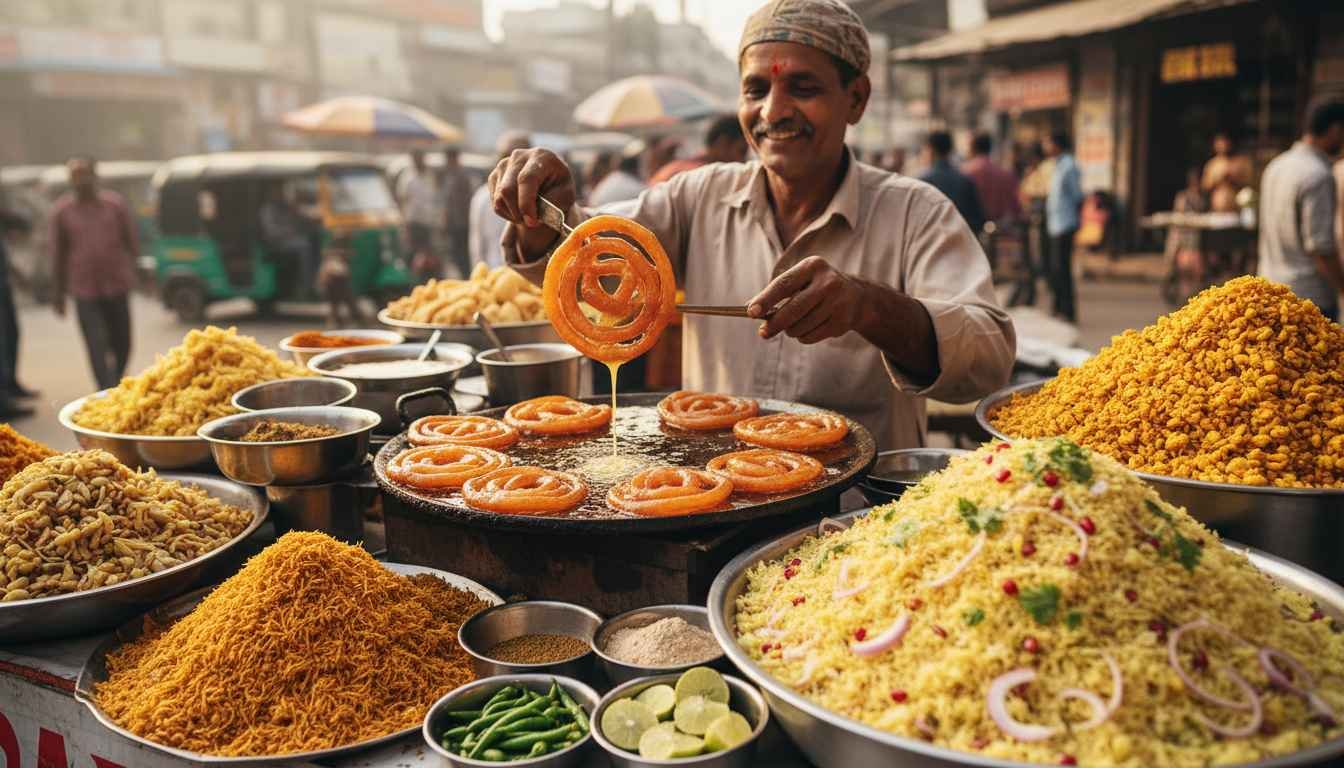
For a feel of everyday Ujjain, spend time in the old-city bazaars. The markets are filled with handicrafts, traditional jewelry, textiles and souvenirs made by local craftsmen, and they are at their liveliest in the mornings and early evenings. Street food stalls sell local snacks through the day, and during festivals the streets fill with music and processions. Exploring the markets on foot is the best way to understand the city’s culture beyond its monuments.
Museums and Learning
History lovers should also visit the museum collections at Vikram Kirti Mandir, which hold sculptures, coins and manuscripts from the region’s long past. The collections are modest, but they give useful context for everything else you will see in the city — the caves, the observatory and the old palace all make more sense once you know how old Ujjain really is.
Planning Your Visit
The best time to visit Ujjain is from October to March, when the weather is cooler and walking the city is comfortable. April to June brings intense heat, so plan outdoor visits for early morning or evening if you travel then. One to two days is enough for the non-temple sights, and most visitors combine them with a temple visit — but these places stand on their own if temples are not your focus. Check opening hours before you go, as smaller sites keep variable timings. If you enjoy exploring India beyond its most famous cities, a day in Wayanad and Munnar’s hill-country sights make good companions for this kind of trip.
FAQ
- Is Ujjain only about temples?
No. Beyond the temples, Ujjain has riverside gardens, an 18th-century observatory, ancient caves, museums and lively markets that are worth visiting on their own.
- When is the best time to visit Ujjain?
October to March offers the most comfortable weather. Avoid the hottest months, April to June, or plan outdoor visits for early morning and evening.
- How many days do you need in Ujjain?
One to two days covers the main non-temple sights. Add a day if you also want to visit the temples and take the trip at a slower pace.
- Is Ujjain suitable for families?
Yes. The palace gardens, the riverside and the markets suit all ages, and the observatory is a good stop for children interested in science and history.
Final Thoughts
Ujjain rewards visitors who look past the temple gates. A morning at the observatory, an afternoon by the river and an evening in the markets add up to a fuller picture of a city that has been a center of learning, trade and culture for centuries — and that is a trip worth making on its own terms.