
You could spend a week in Berlin and still feel you have only scratched the surface. The city wears its history openly: a wall that once split it, a gate that became a symbol of unity, grand boulevards, and neighbourhoods rebuilt for a new century. These are the ten places to start with.
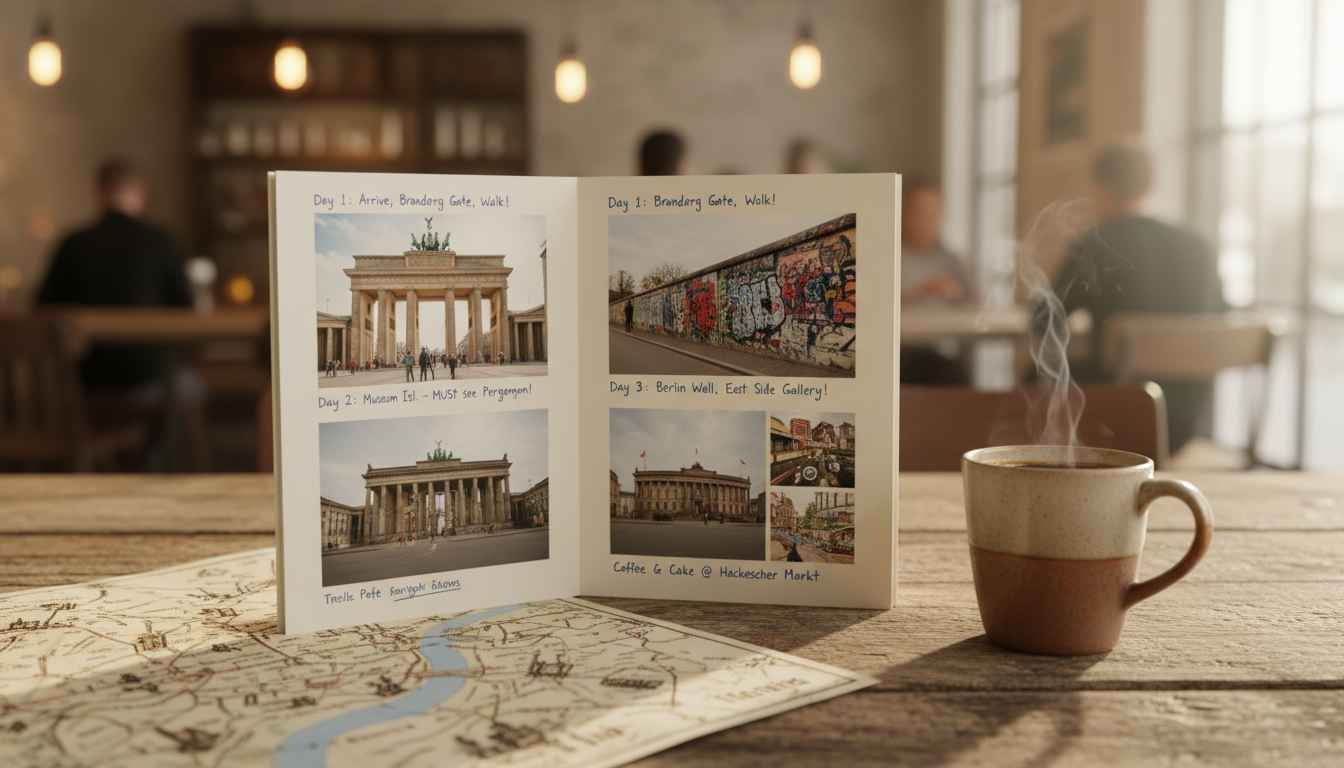
1. The Brandenburg Gate
One of Berlin’s most iconic landmarks, the Brandenburg Gate stands as a symbol of unity and peace. This neoclassical monument, once a symbol of division, is now a symbol of Germany’s reunification. Located in the heart of the city, it is a must-see for anyone visiting Berlin, and the square around it is a natural meeting point at the start of a day’s sightseeing.
2. The Berlin Wall Memorial
The Berlin Wall Memorial on Bernauer Strasse is a poignant reminder of the city’s turbulent history. Visitors can learn about the division of East and West Berlin and the lives affected by the wall. It is one of the most important historical sites in Berlin and an essential stop for anyone exploring the city’s past.
3. The Reichstag Building
Another essential stop on the list is the Reichstag Building, which houses the Bundestag, Germany’s parliament. This historic structure features a glass dome that offers panoramic views of the city. The building’s rich history, combined with its modern architecture, makes it a must-visit location in Berlin. Check ahead before visiting, as dome visits generally require advance registration.
4. Museum Island
Museum Island gathers five major museums on an island in the Spree river, covering antiquities, Byzantine art, 19th-century painting and more. Even if you only visit one museum, the island itself, with its grand buildings and riverside setting, is worth the walk. Check which collections are open before you go, as exhibitions and renovations change over time.
5. Unter den Linden
Unter den Linden is a grand boulevard in the center of Berlin, lined with historic buildings and cultural institutions. Strolling down this tree-lined street, visitors can admire significant landmarks, including the Brandenburg Gate and the Berlin Cathedral. It is an essential part of Berlin’s cultural and historical landscape, and it links many of the sights on this list on foot.
6. The East Side Gallery
The East Side Gallery is the longest surviving stretch of the Berlin Wall, now an open-air gallery covered in murals painted after reunification. It runs along the Spree in Friedrichshain and gives a very different feel from the memorial at Bernauer Strasse: this is the Wall as a canvas for freedom, and it is free to walk at any time.
7. Charlottenburg Palace
Charlottenburg Palace, in the west of the city, is Berlin’s largest palace, with baroque rooms, a garden and a porcelain collection. It offers a quieter, more elegant contrast to the city’s 20th-century history, and the surrounding park is a pleasant place to slow down for an hour.
8. Tiergarten
Berlin also offers green spaces like the Tiergarten, where visitors can relax and enjoy nature in the city center. This large park sits between the Brandenburg Gate and Charlottenburg, with paths, lakes and beer gardens, and it is an easy break between museums and monuments.
9. Alexanderplatz and the TV Tower
Alexanderplatz is the busy heart of former East Berlin, and the nearby TV Tower (Berliner Fernsehturm) offers one of the best panoramic views over the city. Come here for the contrast: socialist-era architecture and a modern shopping district, all within a few minutes’ walk of the historic centre.
10. Potsdamer Platz
Potsdamer Platz shows Berlin’s newest face. Once a no-man’s-land beside the Wall, it is now a modern square of offices, cinemas and restaurants. In addition to its historical sites, Berlin is home to a thriving nightlife scene, with countless bars, clubs, and entertainment venues, from underground clubs to rooftop bars, and Potsdamer Platz is a good base for an evening out.
Final Thoughts
Start with the Brandenburg Gate, the Reichstag and Museum Island, then add the Wall sites and one neighbourhood at a time. Most of the ten are walkable from each other or a short train ride apart, so two to three days covers the list comfortably. If you are planning more European travel, see our guide to the warmest places to visit in Europe during winter and our guide to places to visit in the East of England.
FAQ
- When is the best time to visit Berlin?
Late spring and early autumn are generally the most comfortable seasons, with mild temperatures and fewer crowds than the summer peak. Winter is colder but brings Christmas markets and lower hotel demand.
- How many days do you need for the top ten places in Berlin?
Two to three days is enough for the ten sights at a relaxed pace, with a day for museums and a day for the Wall sites and neighbourhoods. Add a day if you want to explore Charlottenburg or take a trip to Potsdam.
- Is Berlin suitable for families?
Yes. The city has plenty of family-friendly attractions, including parks like the Tiergarten, interactive museums and open spaces, and many sights are free to view from outside.