You know the feeling: skin that looks dull by midday, feels tight after washing, and drinks up moisturizer without ever seeming satisfied. Hydration is not about owning more products — it is about layering the right ones, in the right order, for your skin type. Get that sequence right and even a short routine can leave skin comfortable and visibly healthier.
This guide is general information, not medical advice. If you have persistent irritation, eczema, acne that does not settle, or any skin condition, a dermatologist’s advice matters more than any routine article.
First, Work Out What Your Skin Actually Needs
Hydration problems look similar but have different causes. Oily skin can still be dehydrated — it may overproduce oil to compensate for a stripped barrier. Dry skin usually lacks both water and the lipids that seal it in. Combination skin needs lighter layers on the T-zone and richer ones on the cheeks. Sensitive skin reacts first to fragrance and to too many new products at once. Spend a week observing your skin before buying anything: when does it feel tight, where does it get shiny, and what have you changed recently?
The Ingredients That Do the Heavy Lifting
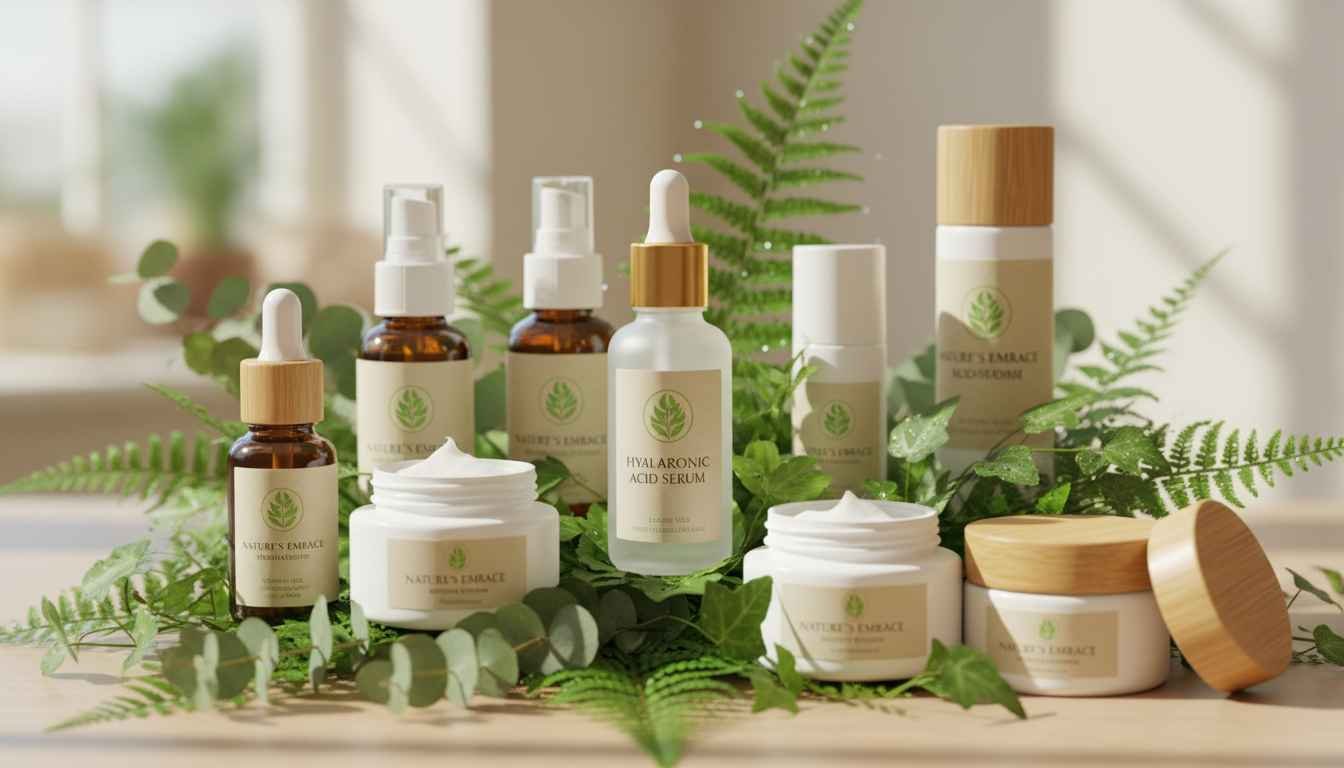
A few well-studied ingredients cover most hydration needs. Humectants such as hyaluronic acid and glycerin draw water into the skin’s surface — they work best applied to slightly damp skin and sealed with a moisturizer, otherwise they can leave skin feeling tight in dry air. Ceramides help rebuild the skin barrier that keeps moisture in. Squalane, a lightweight oil, suits dry or mature skin without the heaviness of thicker oils. Niacinamide can support the barrier and even out tone, but introduce it separately from strong acids until you know your skin tolerates both.
A Simple Layering Routine
Order matters because thin, water-based products absorb before heavier ones seal them in. A workable daily routine is: gentle cleanser, hydrating toner or essence if you use one, serum, moisturizer, and sunscreen in the morning. In the evening, the same sequence minus sunscreen works, with a richer moisturizer if your skin feels dry overnight. A hydrating mask once a week is a useful boost, not a daily necessity — consistency beats occasional extravagance.
Amounts matter too. A pea-sized amount of moisturizer covers the face; two to three drops of facial oil are usually enough. More product does not mean more hydration — it usually means pilling, greasiness or clogged pores, especially for acne-prone skin.
Mistakes That Undo Good Hydration
The most common errors are easy to fix. Over-washing with harsh cleansers strips the barrier you are trying to support. Skipping moisturizer because skin feels oily leaves dehydration unaddressed. Layering several new active products at once makes it impossible to tell which one caused irritation — introduce one product at a time, a week or two apart. And neglecting sunscreen undermines everything: sun damage weakens the barrier and accelerates the dryness and dullness you are treating.
Seasonal changes count as well. Winter air and indoor heating call for a richer moisturizer; humid summers may need only a light gel-cream. Adjust the routine to the season rather than using the same heavy cream all year and wondering why summer skin feels congested.
For a broader view of how beauty routines are put together, the bigger than beauty guide looks at the habits behind lasting results rather than single products alone.
Frequently Asked Questions
Should I apply hyaluronic acid to wet or dry skin? Slightly damp skin, followed by moisturizer. On very dry skin in dry air, an unsealed humectant serum can feel tight rather than hydrating.
How long before a new routine shows results? Comfort and softness often improve within days; visible texture and barrier improvement typically take several weeks of consistent use.
When should I see a dermatologist? If irritation, flaking, breakouts or redness persist, worsen, or do not respond to a simplified routine, get professional advice rather than adding more products.
Final Thoughts
The best skincare for hydration is not the most expensive shelf — it is a short, consistent routine matched to your skin type: cleanse gently, layer a humectant serum on damp skin, seal it with the right moisturizer, and protect it with sunscreen. Do that daily, change one thing at a time, and your skin will tell you the rest.