
Your car makes a noise you do not recognise, a warning light comes on, or the service date in your owner’s manual arrives. Whatever brings you to a repair shop, the experience is the same: you hand over the keys and trust strangers with a machine you depend on every day. DW Auto Service is a full-service auto repair shop, and this guide explains what a shop like it should offer, what to expect at each step, and how to tell whether you are getting honest, competent work.
What a Full-Service Auto Repair Shop Covers
A full-service shop handles the whole car, not just one system. That usually means engine diagnostics and repair, brake service, suspension and steering, transmission work, electrical repairs, and routine maintenance such as oil changes, tyre rotations and fluid checks. The advantage of one shop covering all of it is continuity: the same technicians see your car’s history, notice patterns, and catch small problems before they become expensive ones.
If a shop only does one thing, that is not a flaw, but it should say so plainly. A good general repair shop is honest about the jobs it sends elsewhere, such as specialist transmission rebuilds or bodywork, rather than attempting work it is not equipped for.
Diagnostics First: Finding the Real Problem
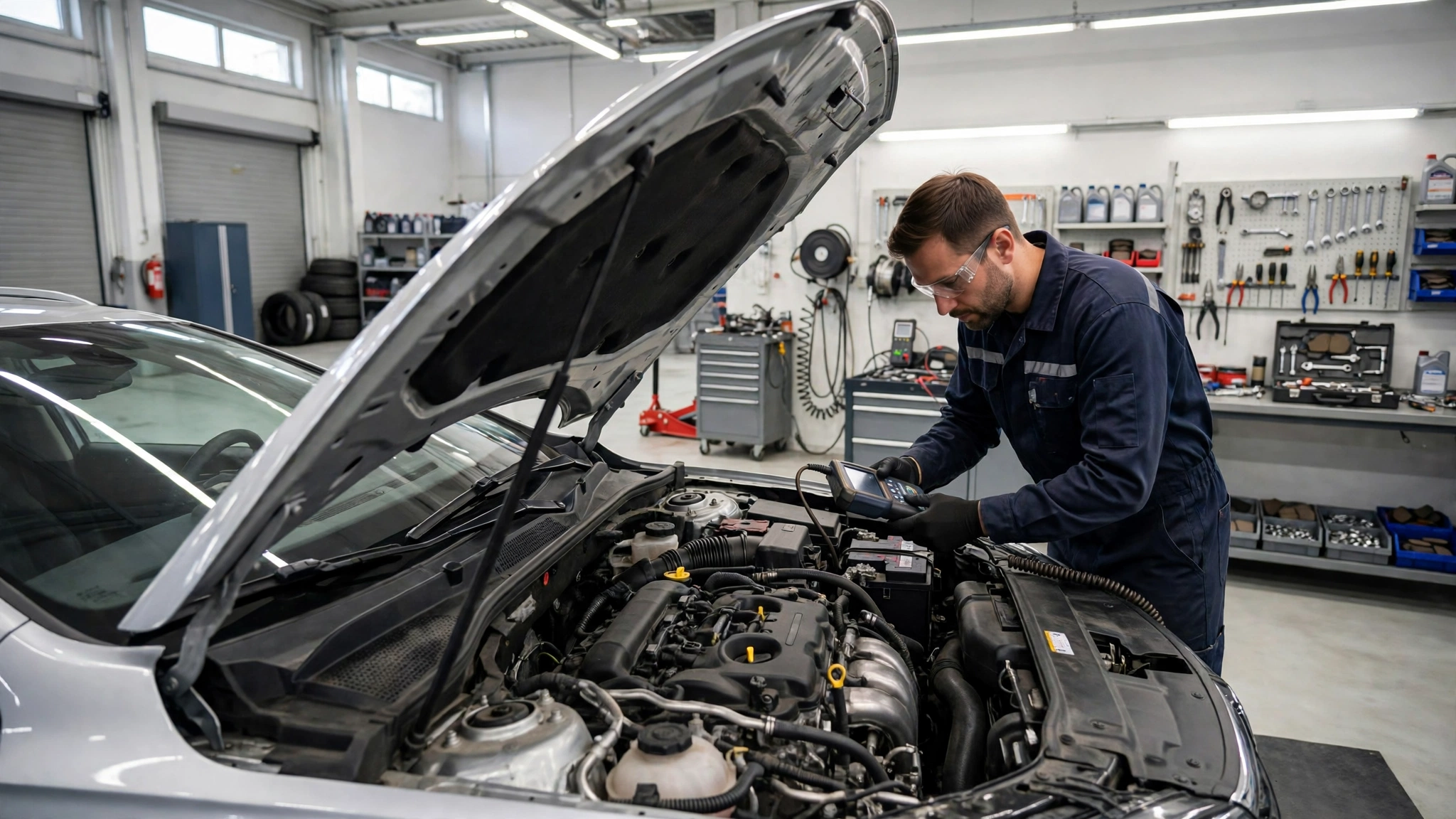
Modern cars are computers on wheels, and good diagnostics is what separates a proper repair from guesswork. When a warning light appears, a technician connects a scan tool, reads the fault codes, and then tests the suspect system rather than simply replacing the part the code names. A code points to a symptom; the fault can sit elsewhere, in wiring, a sensor, or a related component.
Ask the shop to explain the diagnosis in plain language before authorising work. A trustworthy shop will tell you what it found, what it will replace or repair, and what it will cost, in writing. If the explanation does not make sense to you, say so. A good technician can explain a repair without jargon, and a shop that cannot explain its own recommendation is a warning sign.
Engine and Transmission Work
Engine and transmission repairs are the jobs where skill matters most, and where costs climb fastest. Common engine work includes fixing leaks, replacing worn belts and hoses, sorting out misfires, and dealing with overheating. Transmission work ranges from fluid and filter changes to repairs for slipping gears or delayed shifts.
Two questions protect you here. First, is the repair necessary now, or can it wait? A leaking seal that is monitored may be fine for a while; a slipping transmission is not a wait-and-see item. Second, what warranty comes with the repair? Reputable shops put their workmanship warranty in writing. Get it before the work starts, not after.
Brakes and Suspension: The Safety Systems
Brakes and suspension are safety systems, not comfort extras. Brake pads wear down, discs score, and suspension parts loosen with mileage and rough roads. The signs are easy to recognise once you know them: squealing or grinding when braking, a steering wheel that shakes, a car that pulls to one side, or a ride that has become noticeably bouncy.
Do not postpone brake work. Unlike an oil change, a brake problem gets worse quickly and can fail without much warning. If a shop tells you the brakes need attention, ask to see the worn parts or a photo of them. Most honest shops are happy to show you.
Routine Maintenance That Prevents Big Bills
Most expensive repairs start as cheap maintenance that was skipped. Oil changes, filter replacements, tyre rotations, coolant and brake-fluid checks, and battery tests are inexpensive individually, and together they are the cheapest insurance your car will ever have. Your owner’s manual lists the intervals for your exact model; follow those rather than a generic schedule.
Tyres deserve special attention. Uneven wear can reveal alignment or suspension problems early, and a tyre that is worn or damaged is a safety risk long before it fails. If you want to handle the simplest jobs yourself, our step-by-step guide to changing a tyre safely at home covers the basics every driver should know.
How to Judge Any Auto Shop
Whether you use DW Auto Service or any other shop, the same checks apply. Look for a written estimate before work begins, with parts and labour listed separately. Ask whether the technicians hold recognised certifications, such as ASE certification in the United States, which indicates formal training and testing. Ask about the warranty on parts and labour, and get it in writing. Notice whether the shop explains things clearly and answers questions without impatience. And check recent customer reviews, looking for patterns rather than single complaints or single praise.
Red flags are consistent across the industry: a refusal to give a written estimate, pressure to approve extra work immediately, vague pricing, or a diagnosis that changes every time you ask about it. Any one of these is a reason to get a second opinion.
What to Ask Before You Book
A short list of questions saves time and money. What will the diagnostic fee be, and is it applied to the repair if you go ahead? How long will the work take, and will you be called if the shop finds something extra? Are the parts new, rebuilt, or aftermarket, and what warranty covers them? Is there a courtesy car or a shuttle while your car is in the shop? A shop that answers these plainly is a shop that expects to be judged on its work, which is exactly what you want.
Prices and opening hours vary by location and change over time, so confirm them directly with the shop before you travel. The same applies to any emergency or out-of-hours service: ask whether it is actually offered rather than assuming it.
Frequently Asked Questions
What does DW Auto Service do?
DW Auto Service is a full-service auto repair shop covering diagnostics, engine and transmission work, brakes, suspension, electrical repairs and routine maintenance.
How much will a repair cost?
It depends on the fault, the parts and your vehicle. Always ask for a written estimate with parts and labour listed separately before authorising any work.
How do I know if a repair is really needed?
Ask the shop to show you the worn or faulty part, or a photo of it, and to explain the fault in plain language. For expensive work, a second opinion from another shop is always reasonable.
Should I use a dealer or an independent shop?
Both can do good work. Dealers know your model deeply and may be required for warranty work; independent shops are often cheaper and more flexible. Compare written estimates and warranties before deciding.
Final Thoughts
A good auto repair shop is a relationship, not a transaction. Find one that diagnoses before it replaces, explains before it charges, and stands behind its work in writing, and your car will cost you less over its life. If you are looking for that kind of service in your area, our guide to auto service in Russellville, KY shows the same checks applied to a small-town shop. Keep up with routine maintenance, ask questions, and never let a warning light wait.