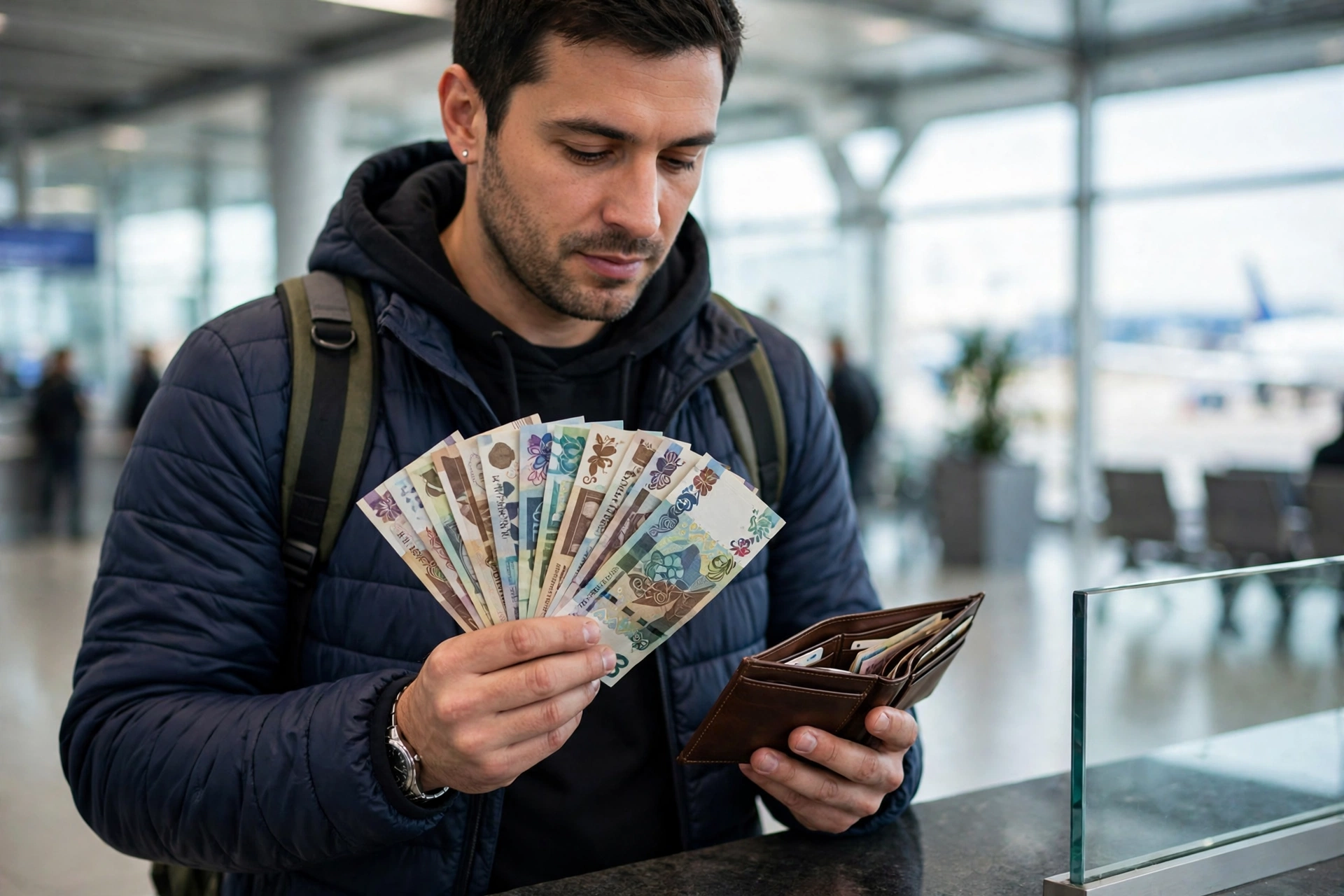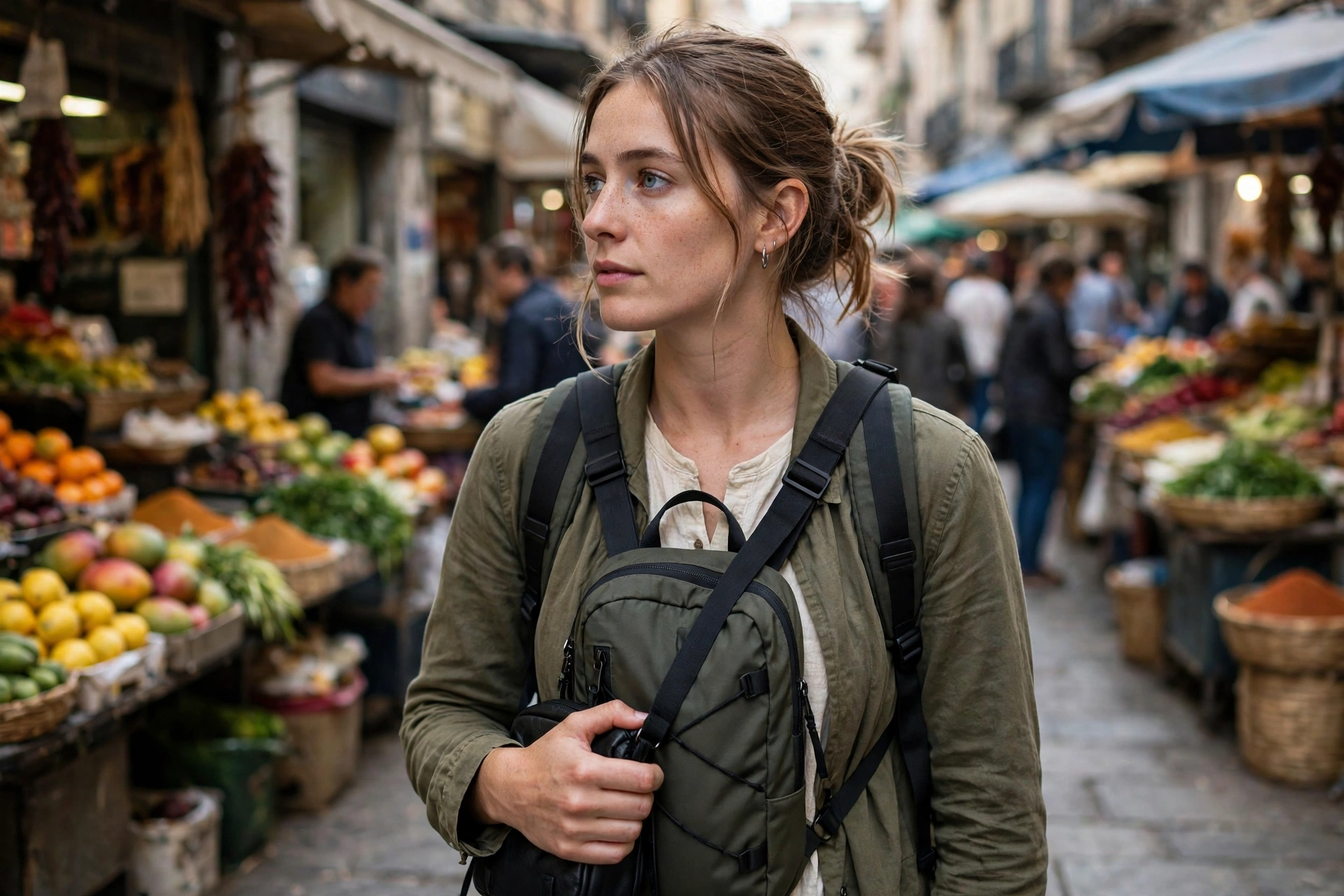
You step out of a famous museum, castle, or viewpoint feeling hungry, and the first thing you see is a row of restaurants with picture menus in five languages and prices that make you wince. You know the food will probably be ordinary. You also know you do not want to spend half your daily budget on one forgettable lunch. The good news is that cheap, genuinely good food is rarely far away — it is just rarely right at the exit gate.
Why Food Costs More Right Beside an Attraction
Restaurants beside a major attraction pay high rents, and they know many of their customers will never come back. That combination pushes prices up and, too often, effort down. A place does not need regulars if a fresh crowd arrives every hour. Once you understand that, the fix becomes obvious: you are not looking for a secret restaurant, you are looking for the places that depend on repeat customers.
That is why the best cheap eats near tourist attractions are usually a short walk away, on a side street, or in a neighbourhood where people actually live and work. The food does not have to be fancy. It has to be fresh, busy, and priced for people who eat there every week.
Walk a Few Blocks — Then Look Again
As a starting point, walk about five to ten minutes away from the main entrance, ideally in a direction that takes you away from the tour-bus drop-off point. Prices often drop noticeably in that short distance, and menus start to look like they were written for local people rather than for passing visitors.
While you walk, watch for simple clues. A short menu that changes with the season, a queue of office workers or students at lunchtime, and prices written clearly outside are all good signs. A very long menu with photographs of every dish, staff standing outside urging you in, and no prices on display are reasons to keep walking. None of these signs guarantees a great meal on its own, but together they are a useful filter.
Eat Where Locals Eat, Not Where Tourists Are Sent
The most reliable test is also the simplest: look at who is eating there. If the tables are full of local families, workers on a lunch break, and students, the restaurant has to keep its prices and quality reasonable or it will lose those customers. If every table holds a guidebook and a camera, you are probably paying a location premium.
Asking a local person can help, but ask the right question. Instead of “Where should tourists eat?”, try “Where do you eat lunch around here?” Hotel reception staff, museum guards, shopkeepers, and bus drivers usually know the nearest affordable places, and they are less likely to point you to a place that pays commissions. If you are unsure about a price, a menu, or an extra charge, check the bill before you pay — learning how to spot common tourist scams in a new city helps here too, because overcharging and unclear pricing are common around busy attractions.
Use Markets, Bakeries, and Grocery Shops
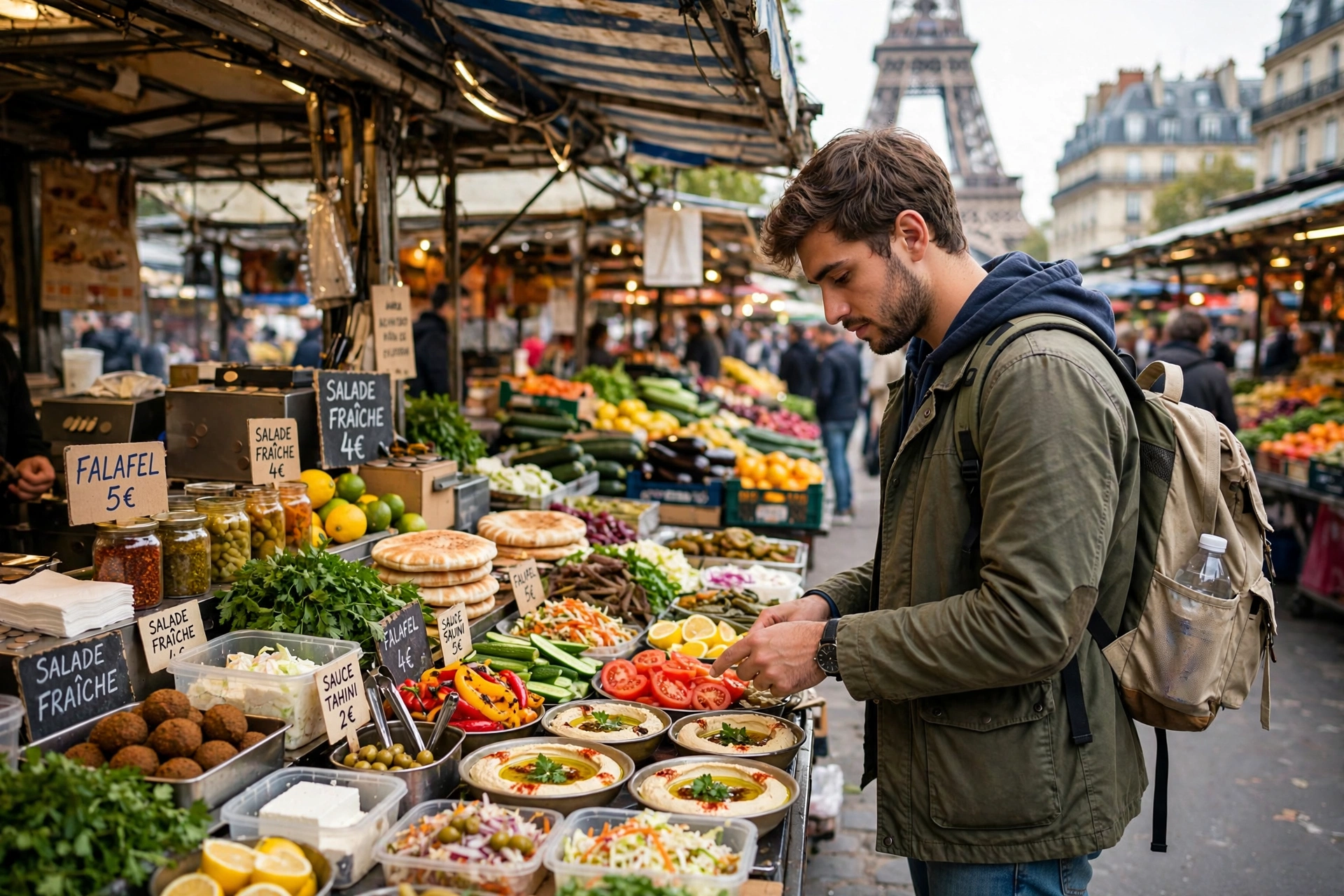
Some of the best cheap meals near attractions are not sit-down restaurants at all. Covered markets, food halls, bakeries, and small grocery shops sell fresh bread, cheese, fruit, salads, and ready-made sandwiches at everyday prices. This is also a practical option when you want a light lunch before an afternoon of walking, rather than a heavy meal that slows you down.
A simple approach works well: buy your main lunch from a bakery or market, eat it in a nearby park or square, and save your sit-down meal for the evening, when you have time to choose properly. If you are travelling with family or friends, sharing a few market dishes is often cheaper and more interesting than ordering separate tourist-menu meals for everyone.
Order Smart: Lunch Menus, Daily Specials, and Sharing
In many cities, the same restaurant that charges a high price in the evening offers a much better-value lunch menu or daily special at midday. Look for a set lunch, a soup-and-main combination, or a dish of the day — these are usually the kitchen’s freshest and best-priced options. Ordering the house special, rather than the most familiar international dish on the menu, also tends to give you better value and a better sense of local cooking.
Drinks and extras are where a cheap meal often becomes expensive. Bottled water, bread, and service charges can quietly add up, especially in tourist areas. In places where tap water is safe to drink, a refillable bottle saves money all day; where it is not, buy water from a shop rather than at a restaurant table. Check whether a service charge is already included before you add a tip, so you do not pay it twice.
Use Maps and Reviews Without Trusting Them Blindly
Online maps and review sites are useful for finding places a few streets away from an attraction, but use them with judgement. Read recent reviews rather than the overall star rating alone, and look for comments from local reviewers about portion size, price, and whether the menu matches what is actually served. A restaurant with hundreds of reviews in a single language, all posted within a short period, deserves more scepticism than a smaller place with steady reviews over months.
Photos posted by recent visitors can also help you judge portion size and atmosphere, but remember that a beautiful photo does not prove fair pricing. Cross-check the menu price in a photo against the price on the menu outside. If they do not match, ask before you sit down.
Stay Safe and Comfortable While Eating Cheap
Cheap should never mean careless. Choose stalls and restaurants where food is cooked to order, kept hot, and handled cleanly, and avoid food that has been sitting out in the heat for a long time. If you have allergies or dietary needs, learn the local words for them or keep a translated note on your phone — this matters far more than saving a small amount on a meal.
If you are unsure about water safety, ice, or raw foods in a particular destination, check your government’s travel health advice or ask your accommodation before you go out. A short check in advance is much easier than dealing with an upset stomach for the rest of your trip.
A Simple Plan for Your Next Visit
Put it together and the routine is straightforward. Visit the attraction first, then walk a few blocks away from the exit. Look for a busy, local-feeling place with a short, clearly priced menu. Consider a market or bakery lunch, a set lunch menu, or a shared meal — and keep drinks and extras in check. You will usually eat better, spend less, and get a truer taste of the city than you would at the first restaurant by the gate.
FAQ
Is it rude to walk away from restaurants near an attraction? No. You are under no obligation to eat at the nearest place, and a short walk is a normal part of exploring a city.
How far should I walk to find cheaper food? In most cities, five to ten minutes away from the main entrance is enough to notice a difference. The exact distance varies by city, so use prices on display as your guide rather than a fixed rule.
Are street food stalls safe? Many are, especially busy ones that cook to order and serve local customers all day. Choose stalls with high turnover, clean handling, and freshly cooked food, and follow local health advice for the destination.
Final Thoughts
Finding cheap eats near tourist attractions is less about hunting for a hidden gem and more about stepping out of the high-rent zone around the entrance. Walk a little further, follow local customers, use markets and lunch menus, and check prices before you sit down. Do that consistently, and you will save money on almost every trip — without missing out on good food.