
Some places earn their fame. Standing before the Pyramids at dawn, walking Kyoto’s quiet lanes in the early morning, or watching the sun drop over the Grand Canyon — these are the experiences travellers remember for decades, not because a list told them to go, but because the place itself delivers. This guide picks the destinations that most consistently do that, and explains what makes each one worth the journey.
Paris, France
Paris rewards slow travel. Beyond the Eiffel Tower, the city’s real pleasure is its neighbourhoods: morning markets, museum quarters, riverside walks and cafes where lingering is the activity. Visit major museums early or late in the day, and balance one landmark day with one wandering day — that is when Paris stops feeling like a checklist and starts feeling like a place.
Rome, Italy
Rome compresses three thousand years into walkable streets. The Colosseum, Forum and Pantheon are essential, but so are the neighbourhood trattorias, the evening passeggiata and the smaller churches most visitors walk straight past. Comfortable shoes matter more here than any guidebook: Rome is best understood on foot, in short stages, with long breaks.
Kyoto, Japan
Kyoto is Japan’s cultural heart: temples, shrines, bamboo groves, traditional townhouses and seasonal beauty that changes completely from cherry blossom to autumn maple. Go early to the famous sites, then spend afternoons in quieter districts. Kyoto rewards travellers who slow down — its finest moments are often unplanned, in a garden or a side street.
Machu Picchu, Peru
Machu Picchu’s setting is its magic: a fifteenth-century Inca citadel perched between steep green peaks, reached by train and bus or by multi-day trek. Entry numbers are limited and tickets sell out, so book well ahead, and plan for altitude — Cusco sits high, and a day or two to acclimatise makes the visit far more enjoyable.
Petra, Jordan
Walking the narrow Siq canyon and emerging before the Treasury is one of travel’s great reveals. Petra is far larger than that single facade, though: tombs, a monastery reached by hundreds of steps, and desert viewpoints reward a full day, sturdy footwear and plenty of water. Start early to beat both heat and crowds.
Grand Canyon, USA
The Grand Canyon’s scale is genuinely hard to grasp until you stand at the rim. The South Rim is the most accessible year-round; the North Rim is quieter but seasonal. Even a short walk below the rim changes the experience completely — but take it seriously: heat, elevation change and distance catch out unprepared hikers every year.
Santorini, Greece
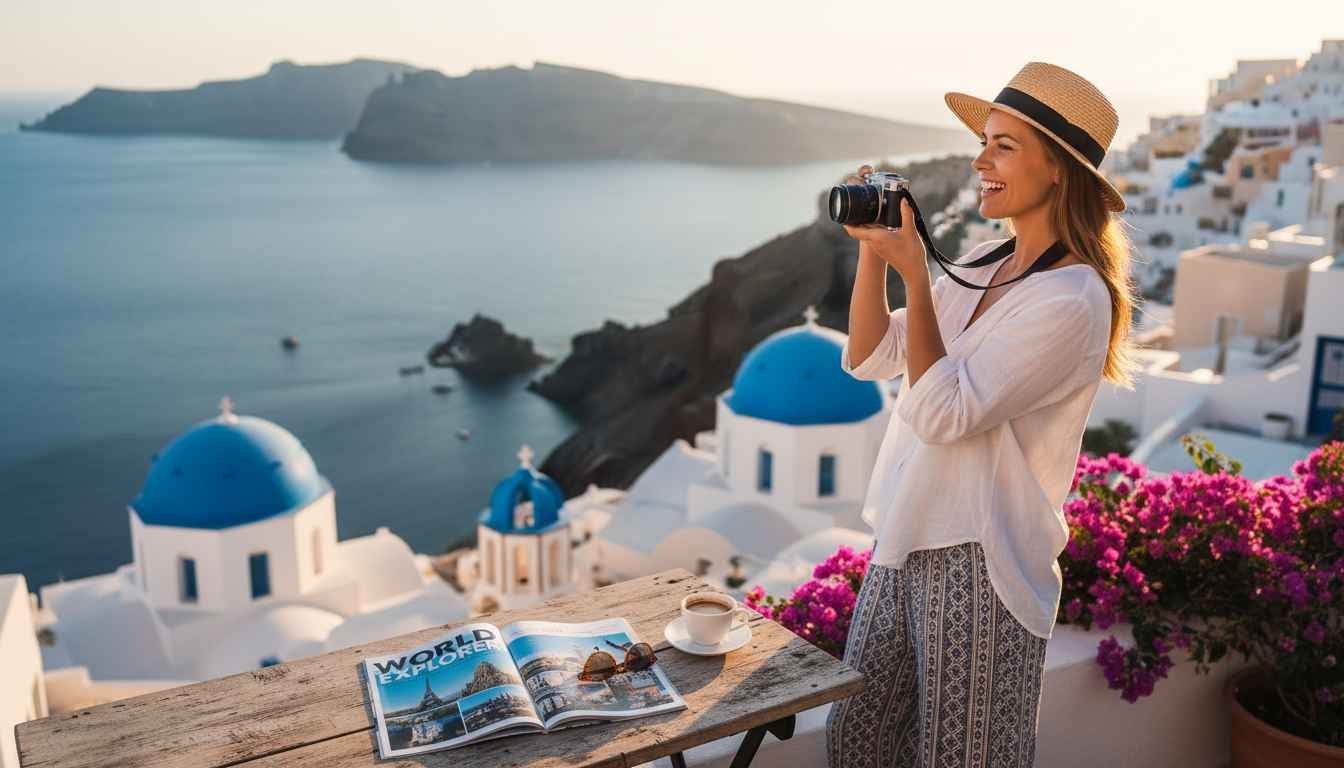
Santorini’s whitewashed villages above a volcanic caldera are as beautiful as the photographs suggest, and as crowded in high summer. Visit in shoulder season if you can, stay outside the two most famous villages for calmer evenings, and make time for the island’s beaches, wineries and archaeological site — there is more here than sunsets.
Marrakech, Morocco
Marrakech is a sensory overload in the best sense: the medina’s souks, the food stalls of Jemaa el-Fnaa, gardens that offer sudden quiet, and day trips into the Atlas Mountains. Bargain politely, dress with local norms in mind, and hire a local guide for your first medina walk — the old city’s lanes are famously easy to get lost in.
How to Choose Between Them
Pick by what you actually enjoy, not by what photographs best. History lovers should start with Rome or Petra; nature lovers with the Grand Canyon; first-time Asia travellers with Kyoto. Then check the practical side: season, flight time, budget and how much walking or altitude a trip demands. A dream destination in the wrong season or at the wrong pace disappoints; the same place, well timed, becomes the trip you talk about for years.
Planning well matters as much as choosing well. Learning how to pack a carry-on for a week-long trip keeps multi-stop itineraries manageable, and if you are weighing the world’s most famous sights against quieter alternatives, the best place to visit in the world guide offers another way to frame the choice.
Frequently Asked Questions
How many of these can I see in one trip? One or two properly, not five rushed. These destinations deserve at least three to four days each; combining nearby ones (Paris and Rome, for example) works better than crossing continents in a week.
When is the best time to visit? Shoulder seasons — spring and autumn — suit most of these places: milder weather, fewer crowds and better prices than peak summer.
Are these places suitable for families? Yes, with planning. Kyoto, Rome and the Grand Canyon all work well for families; Machu Picchu and Petra need more thought about walking distances, altitude and heat for younger children.
Final Thoughts
The top places in the world stay on top because they reward the effort of getting there. Choose the one that matches how you like to travel, give it enough days, and plan around its season — and it will live up to the reputation that put it on the list in the first place.